

I Don’t Want to Talk About ICE
On reluctance, imperfect activism, and finding sustainable ways to use our voices anyway. Plus, three personal principles for staying alive, regulated, and engaged when everything feels like too much

Dear friend,
I don’t want to talk about ICE. I want to describe the decadence that is eating chocoavellenda ice cream while watching retirees dance around a garden on a crisp Coyoacán night.
I don’t want to talk about masked men with guns roaming streets and schools. I want to talk about the penguin I won at a carnival shooting gallery for a Mexican girl who really wants to see Disneyland but can’t get a visa to the USA.
I don’t want to talk about the breaking down of human rights in my homeland. I want to talk about the soft ways I’m healing a broken heart.
I don’t want to be an activist right now. I just want to be an artist trying to write her next novel.
But here we are, once again, having to talk about ICE.

Why It Feels So Hard Right Now
I’ve been a proud activist since I was a kid, but I’m feeling more reluctant than ever to use my voice these days.
That is on purpose.
If you’re feeling overwhelmed, exhausted, and unsure how and where to show up right now, it’s not your fault.
Shock and awe is a part of their plan.
But that’s also why it’s so important to find and use our voices right now. Even when it’s hard to do so.
If, like me, you’re scared of saying or doing the wrong thing, that’s understandable too.
Perfectionism is rampant in both conservative and progressive communities. Call-out culture sucks. Not a day goes by that I don’t have someone in my life pointing out how I’m “doing it wrong.”
But what is a boldly creative life if not a bravely flawed one?
What if we see this moment as yet another chance to practice imperfect action?
Doing It Imperfectly and Learning As We Go
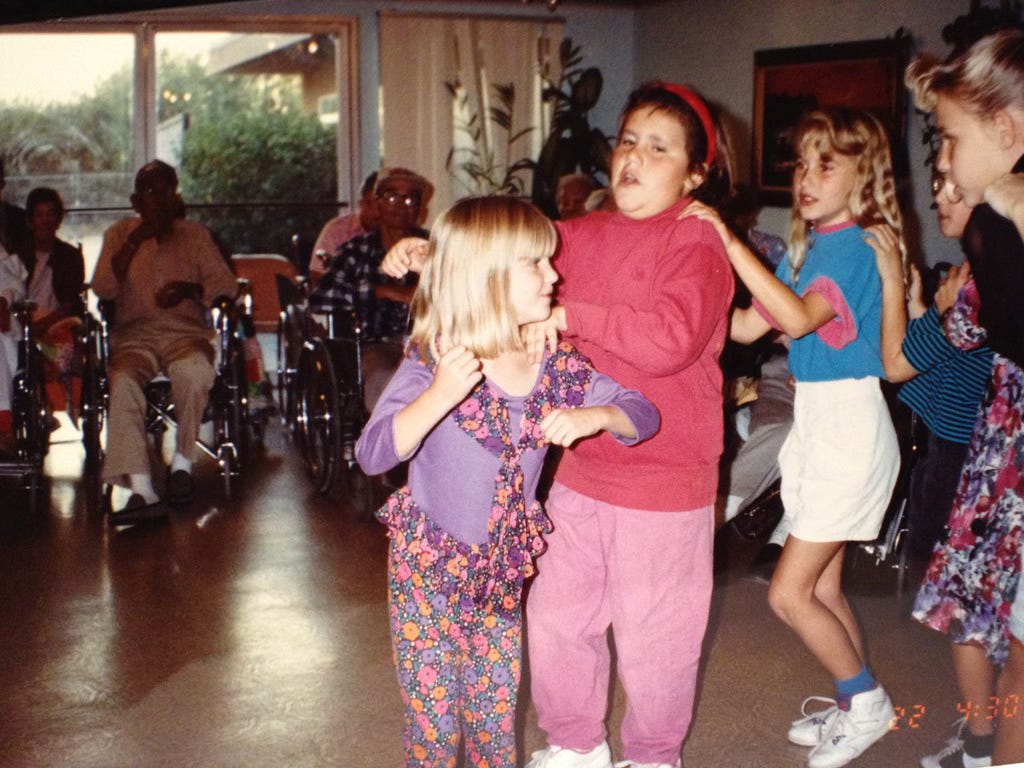
At eighteen, I showed up to my very first anti-war march with a handwritten “God Bless the USA” sign. I still cringe thinking about it, not realizing my mistake until the organizers of the march got on a soap box with a bullhorn talking about religious conservatives trying to infiltrate their protest while looking straight at me.
I nodded my head, totally agreeing that we should look out for those people, only realizing they thought I was the threat when a friend pointed it out to me.
It was one of many times I’ve had to examine my privilege and undo the learning of my childhood. It’s not that my sign was inherently bad, it’s that the phrase came with a loaded history I hadn’t taken time to examine.
To this day, I mess up and say or do something inadvertently harmful. And while being called out still hits at my ego and pride, I’ve learned to be grateful for the awareness of my own misconceptions and oversights.
I am a caring, empathetic, and kind human thanks mostly to the queer, kinky, plus-sized, women and femmes of color in my life who have had the patience and generosity to share their stories and perspectives with me.
If you sometimes find yourself not participating in advocacy because you’re afraid you’ll do it wrong, this is your reminder that it’s okay to do it badly, especially at first.
Just like with most things in life, you can read all the theory you want, but you don’t actually know what you’re doing until you get hands on practice.
Around here, we celebrate you going out and trying something hard and scary, including standing up for what you believe in and using your voice for good.
Three Principles I Have for Activism
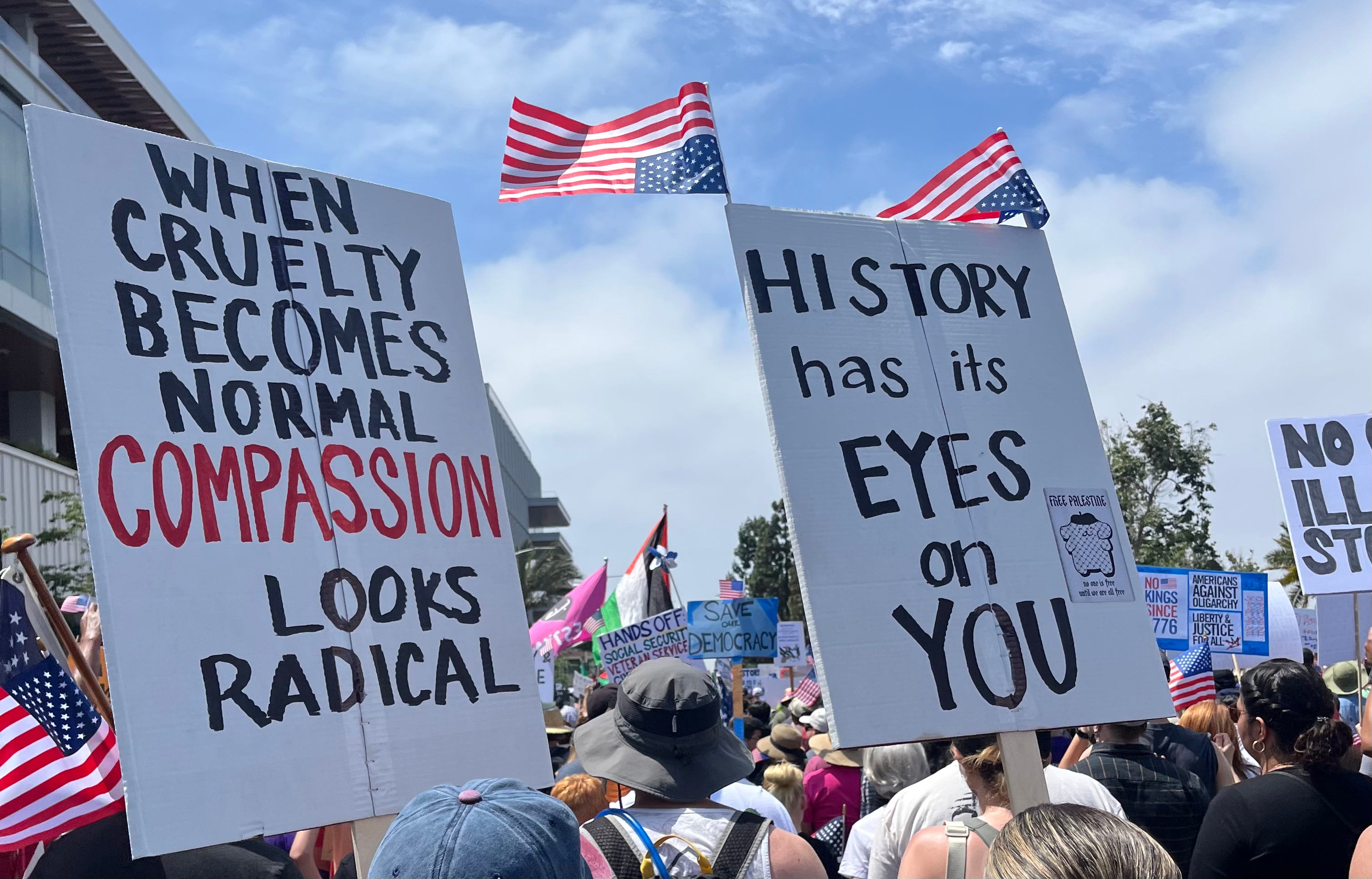
In a time of upheaval and overwhelm, having some guiding principles helps me recenter and make my activism something I can keep doing year after year.
I’m sharing these principles with you in case they resonate and help you take imperfect action in this overwhelming time.
As you’re reading through them, remember the point isn’t perfection — it’s sustainability. Take what works for you, leave what doesn’t.
1) Keep Yourself Alive
This is not about selfishness or privilege, this is about perseverance and resilience.
As someone who has battled self-harm, suicidal ideations, and depressive episodes since I was twelve, I have to consciously and proactively make my mental health a priority.
Additionally, I have some bodily limitations that make most types of physical advocacy difficult to impossible for me to do.
Which means sometimes activism has to take a back seat to self-care.
Yes, I want to live a boldly courageous life, standing up for what I believe in, and actively supporting others, but that has to include being brave enough to know my own limitations.
I cannot advocate for others if I am not caring for my own basic needs.
And neither can you.
So, first and foremost: eat, drink, sleep.
Then meet yourself where you’re at.
Can’t march in a protest? Host a letter writing campaign.
Social media bad for your mental health? Take it off your phone and replace scroll time with conversations about hard topics with friends.
Don’t have money to donate? Share free resources that others in your community might also need to access.
In a world that likes to tell us we’re never doing enough, meeting yourself where you’re at and doing what you can is a radical act.
Let me know in the comments: where are you right now, and how is that playing out in your activism?
No wrong answers.
2) Regulate Your Nervous System
We are better advocates, community members, and humans when our nervous system is regulated. With the 24/7 news cycle and social media algorithms, our brains need time to desensitize and reset.
Two very easy and free ways to do that are journaling and tapping.
According to Psychology Today, journaling regulates the nervous system by shifting it from ‘fight-or-flight’ to ‘rest-and-digest’ mode, helping process emotions, decrease anxiety, and build resilience.
Right now, I’m offering my Journal Through It: From “Oh $#@!” to “I’ve got this!” in 15 Minutes course for free with code “love”.
It’s my small way to support your big impact.
Tapping uses acupuncture points to release tension in your body and support your nervous system. It’s a quick and easy way to regulate, and I’ve used it to help me through surgeries, book tours, and breakups.
My friend and tapping coach Pam Covarrubias offers free and low-cost tapping circles for you to try it out, and has private coaching if you want more in-depth support. Find out more about tapping on her website.
3) Choose Your Lane and Drive
We can’t do everything.
Trust me, I’ve tried.
Taking a stand for every single injustice in the world is a great way to burn out and give up.
Instead, I’ve chosen two lanes in which I’ve vowed to continually advocate: LGBTQ rights and the free movement of people, culture, and ideas across borders.
I chose these because 1) I have lived experience in both, and 2) I have studied both extensively, including while in law school.
Choosing Your Lane
This isn’t about “staying in your lane” and playing small, it’s about sharing your experience and knowledge with others and preventing burnout.
Don’t let the choices overwhelm you. Just pick something, anything really, to start.
Where do you have lived experience?
What subject have you studied and can speak on with confidence?
What is your special brand of activism?
Where is there a need in your community that you can fill?
Or even, what’s piquing your curiosity the most?
Let me know in the comments.
Then It’s Time to Drive
Once you have your lane chosen, it’s time to go down it.
It can be hard to take action right now. There’s just too much that needs our help. For me, choosing one small thing to do a week was a great start. For you, your body, and your nervous system, it might be once a month or once a day.
Taking one small action is better than no action at all. And once you get on the road, it’s easier to keep going.
Here are some simple steps that I was able to take when I felt overwhelmed:
5Calls.org makes contacting your representatives easy and quick. I hate making calls to my congress person and yet I could do it with this app.
I make a $20 recurring monthly donation to my local food bank. I’m underemployed right now so I couldn’t dedicate more, but that goes towards 200 meals, proving a little can go a long way. You can find more info at FeedingAmerica.org.
I also a $5 recurring donation to my local NPR station and a $5 recurring donation to national NPR network to support accessible and trustworthy media. The number of donors they have helps them get funding from corporations, so every little bit helps.
What small step feels doable to you today?
What small steps have felt doable to you on days you were overwhelmed?
I’d love to hear your action steps and ideas in the comments.
Do It Flawed, But Do It For All of Us
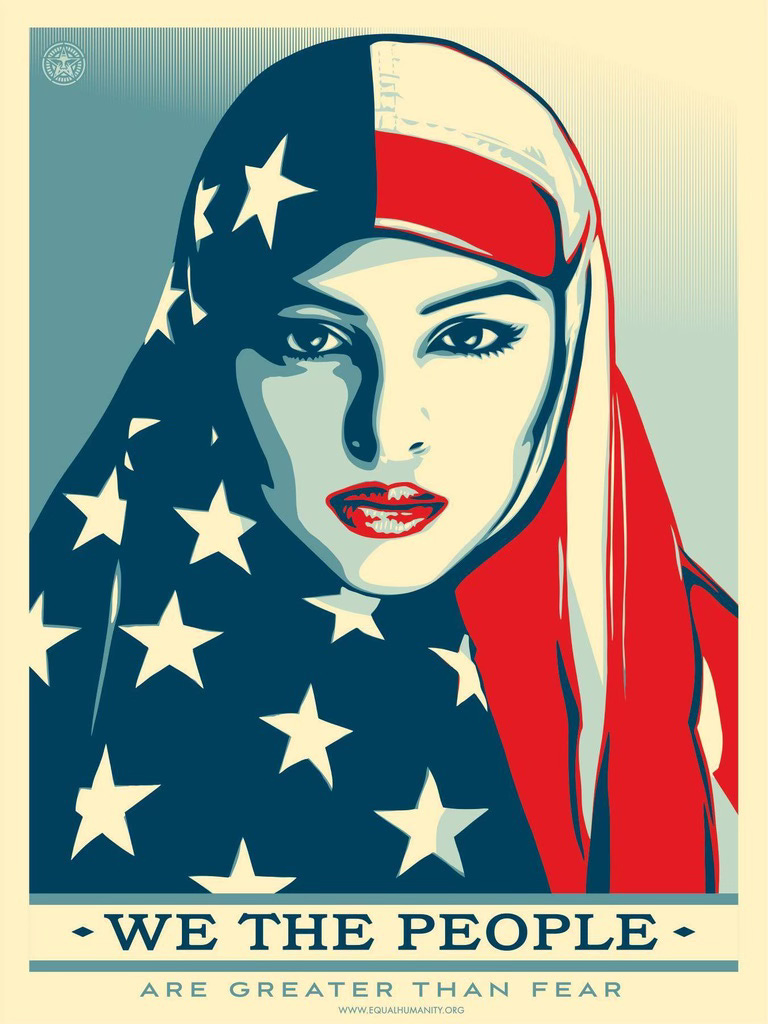
Advocating for others isn’t just altruistic – it’s a way we can support our own safety and growth.
By growing our understanding of varying human experiences, we are better able to understand and advocate for ourselves.
By standing up for oppressed communities, we are better able to see and fight our own oppressions.
By advocating for the safety and rights of all, we are better able to find safety and rights for ourselves.
I don’t want to be talking about ICE – or the rest of the hellish rights violations that are happening in the USA right now.
I am exhausted and tired of it.
And I’m sure so are you.
But by coming together, we can help each other find the strength, time, and energy to stand up for our neighbors and ourselves, and use our voice for good.
Because the world needs our stories now more than ever.
With love,
Lauren
P.S. If you’re looking for a nuanced way to talk to people in your life who might support ICE, Jenna Kutcher is writing some great pieces from the perspective of a Minnesotan right now. I especially love this one and think it’s worth sharing widely.
