

Mexico Feels Like Home. That Doesn’t Make It Mine.
Growing up on the border, traveling to Mexico as a visitor, and learning to walk the line between appreciation and appropriation.

Dear friend,
There is a fine line between appreciation and appropriation, and I walk it every time I engage in Mexican culture.
Growing up on the border, my town was 86% Mexican, mostly recent immigrants or first generation. I spent eighteen formative years surrounded by Mexican culture and traditions – eating tamales for Christmas, dancing folklorico for school assemblies, listening to mariachi, and buying churritos off the abuela who sold them out of the front of her house, smothering them in too much Valentina hot sauce every time.
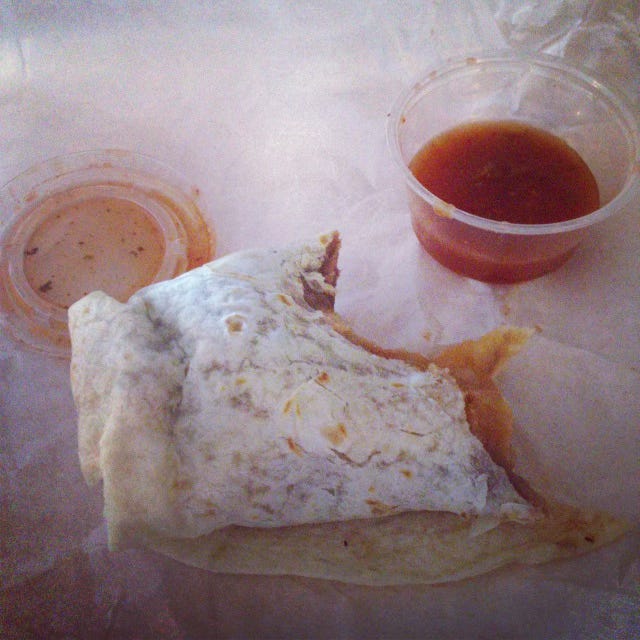
I learned to cuss in Spanish, spoke Spanglish with my friends, and engaged daily with people who did not speak English, using hand gestures to get our points across to each other.
In this way, visiting Mexico has always felt to me like going home.
But it is not my home. Despite my deep experience with Mexican culture, it is not my own – a fact I’ve forgotten too often throughout life.
I remember dancing on New Year’s Eve to ring in 2015 with a stranger’s hands on my hips as she complimented me on my rhythm. “It’s my Mexican upbringing,” I said.
She called me out for being white and I only doubled down, still unsure how to handle admitting when I was wrong and far from able to articulate my own lived experience with Mexican culture.
What I should have said was that one New Year’s Eve, twenty years before, I stood awkwardly in the corner of a party where I was the only white girl, and my friend’s mom took pity on me, pulled me into the circle of women dancing while the men drank, and taught me how to move my hips to cumbias.
I should have given credit where it was due and explained that the only reason I had rhythm was because of Mexican women.
Instead, I coopted them as my own.
Even now, I think about how that family would say I was theirs too. How my friend’s mother called me mija. How they held me through my father’s cancer, how we celebrated holidays and birthdays together.
My friend and I have fallen out of touch over the decades, but she still asks my parents about me every time they see her, and sends me updates on her kids through social media.
But that’s the thing right there. She might have been like family, but she is still not my flesh and blood. Just like Mexico is familiar, but not my country.
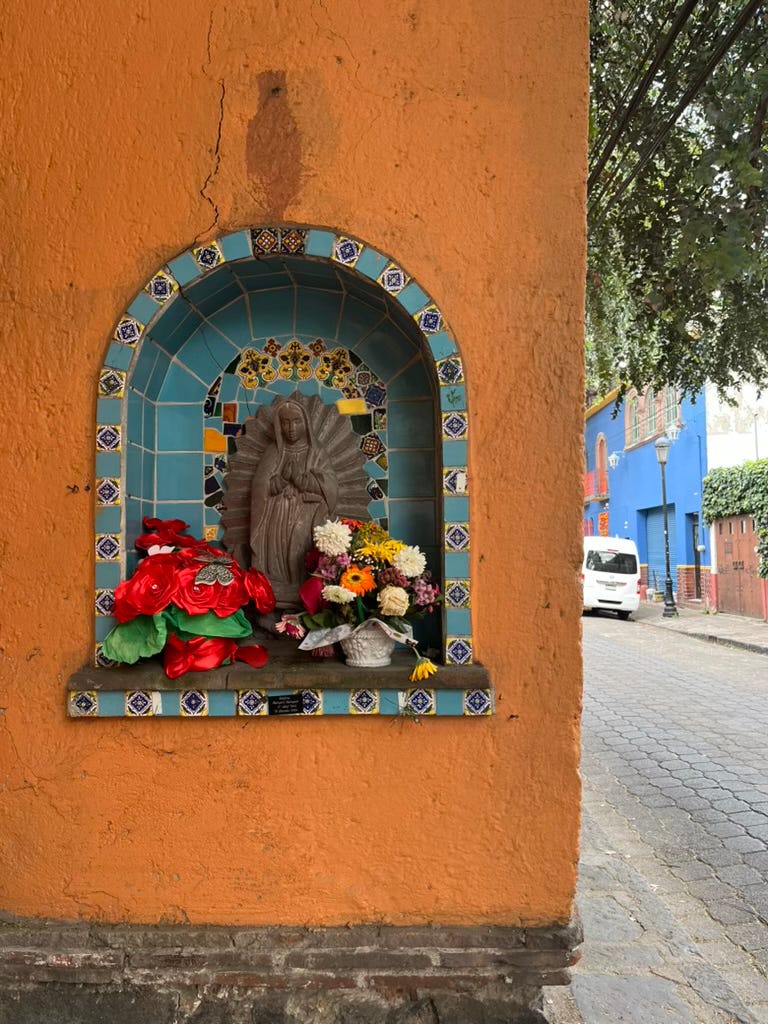
When my novel Because Fat Girl came out, I had multiple latine people tell me how much they saw themselves in the book. I beam with a little too much pride when people compliment me on my accent while reading the audiobook.
It mattered to me that there was Spanish spoken in the book not just because of my background but also because it’s set in L.A. – of course there would be Spanish!
In fact, there was a whole plot line that included people speaking Spanish around Chris Stanton and him not understanding what they were saying. I eventually took it out because it was too unrealistic that someone had grown up in Southern California and didn’t know Spanish.
I wanted and needed to normalize dual languages spoken in a book, without italics, without othering, without even pointing it out through someone not getting what others were saying. I tried to simply make Spanish a part of life for my characters. Like it had been for me growing up.
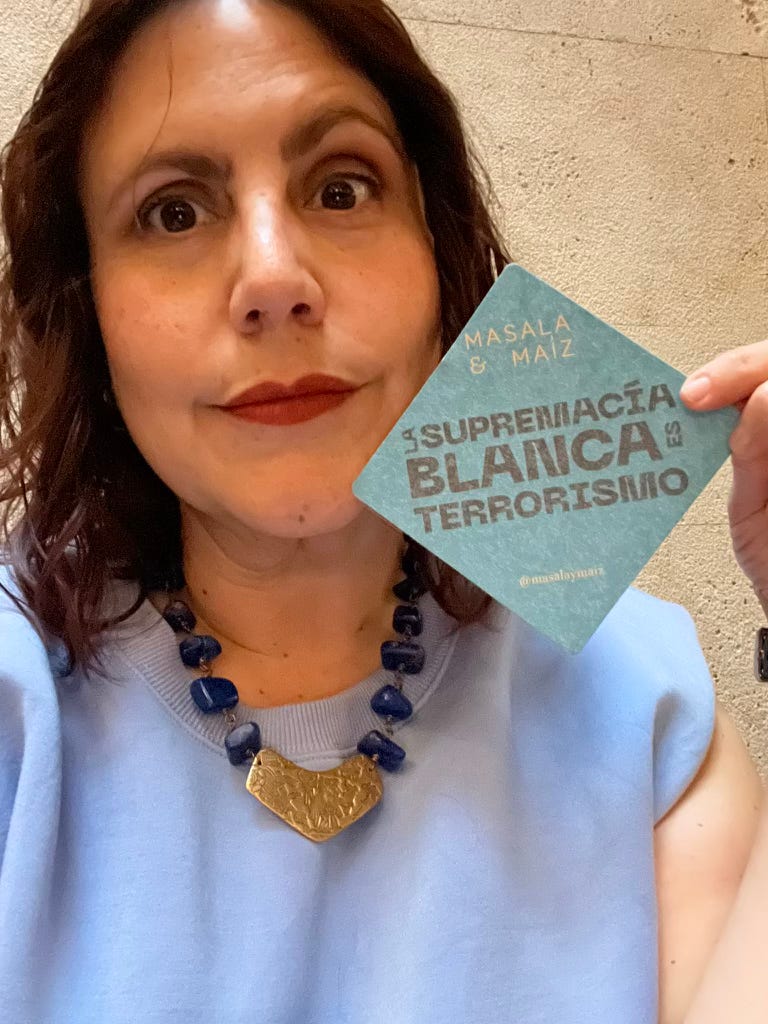
Mexico City is far from the borderlands where I was raised. Friends here laugh at my Mexicali accent, and I still can’t understand the difference between the way they say tiendita and how I do – although they mostly call them abarrotes here.
When I navigate the streets, I am doing so with both the disadvantage of a foreign woman and the privilege of a white American with a strong exchange rate.
As gentrification and over tourism wreak havoc on the city, I spend a lot of time talking with friends and family members about how to experience this country and place that I love so dearly without adding to a colonialism that is both thousands of years old and a product of the digital nomad age.
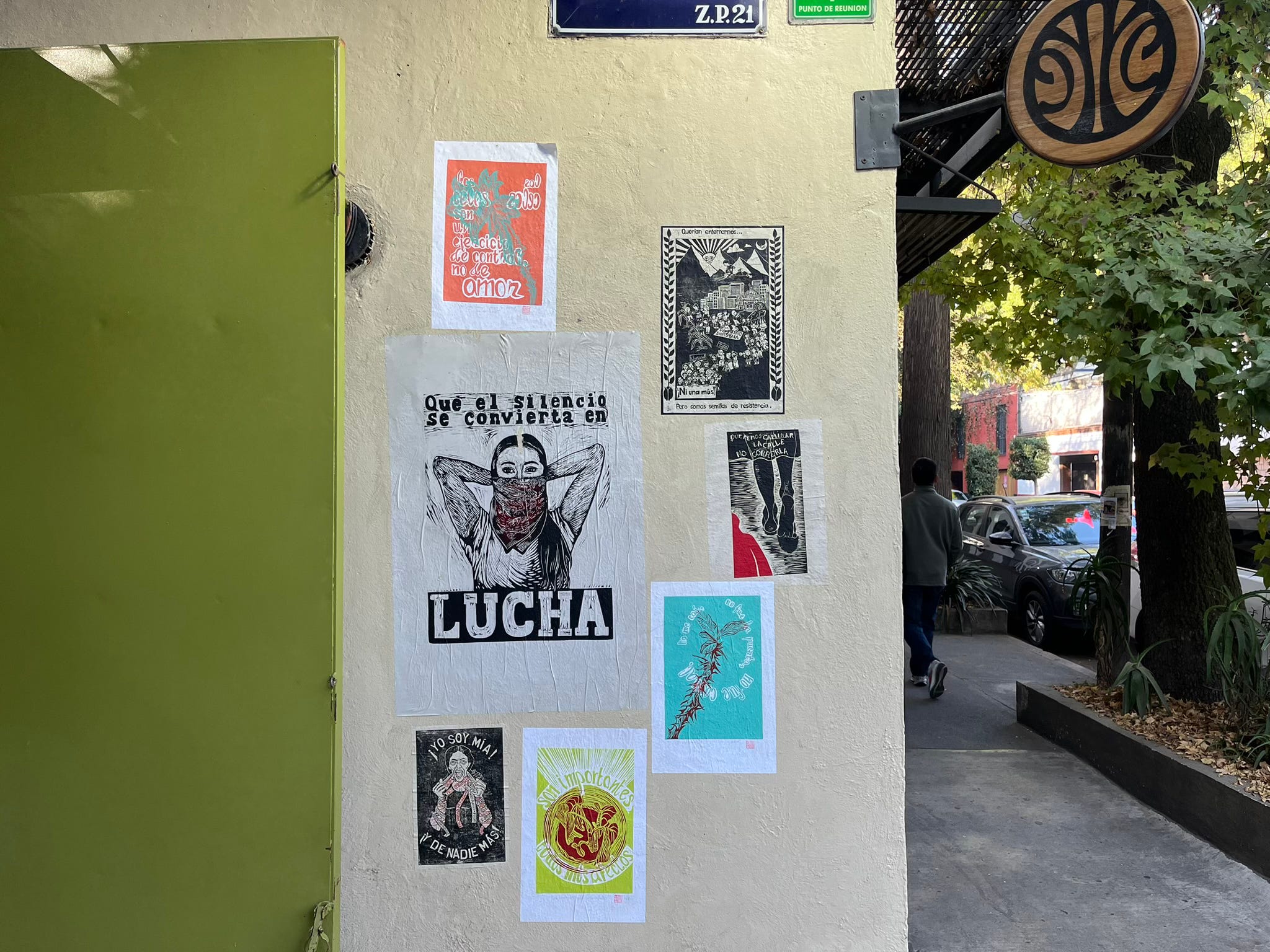
With the exception of a couple blocks radius from Diego Rivera and Frida Kahlo’s La Casa Azul, I rarely hear English spoken around where I am staying, but in Condessa and Roma it fills the sidewalks and cafés.
The streets of Condessa have a different polish than Coyoacán, like it has been dressed up for the hipster tourists who come to capture content for social media. Just walking down the street, I feel like a colonizer, an active participant in the larger gentrification problem Mexico City is facing.
I can’t blame people for flocking to those parts of town, though. Vine-wrapped high-rises, plant-filled balconies, and tree-lined pedestrian walkways house artist galleries, specialty coffee shops, and fantastic brunch spots. It reminds me of SoHo, Notting Hill, or Valencia Street, parts of big cities that make me feel hipper and chicer just being in them.


On my first Saturday back here, my friend Caro and I met up for pedicures and tacos. We meandered through Condessa, looking for artists she knew in the galleries, both of us lamenting at the gentrification going on around us.
“I used to live a few blocks from here,” Caro pointed behind us. “But the rent doubled and I had to move. I think they rent it to digital nomads now.”
The consequences of the COVID pandemic to Mexico City weren’t just physical. The influx of foreigners with remote jobs fleeing the regulations of other countries wreaked havoc on the local economy here.
Sure, some flourished with cafes, restaurants, and yoga studios catering to these newcomers who earned much more than the average Chilango, but the cost of living has gotten impossible for locals, especially in places like Condessa and Roma where AirBnb’s for tourists took over apartments that used to house residents.
“I don’t know what to do as a foreigner who loves this place,” I admitted.
“I don’t know what the answer is either,” Caro confessed.
Many of my conversations about Mexico City end here at this stalemate. Nobody seems to have the solution to this complex issue.
As someone who is pro-immigration and very much a nomad at heart, I firmly believe in the free movement of humans, ideas, and cultures across man-made borders.
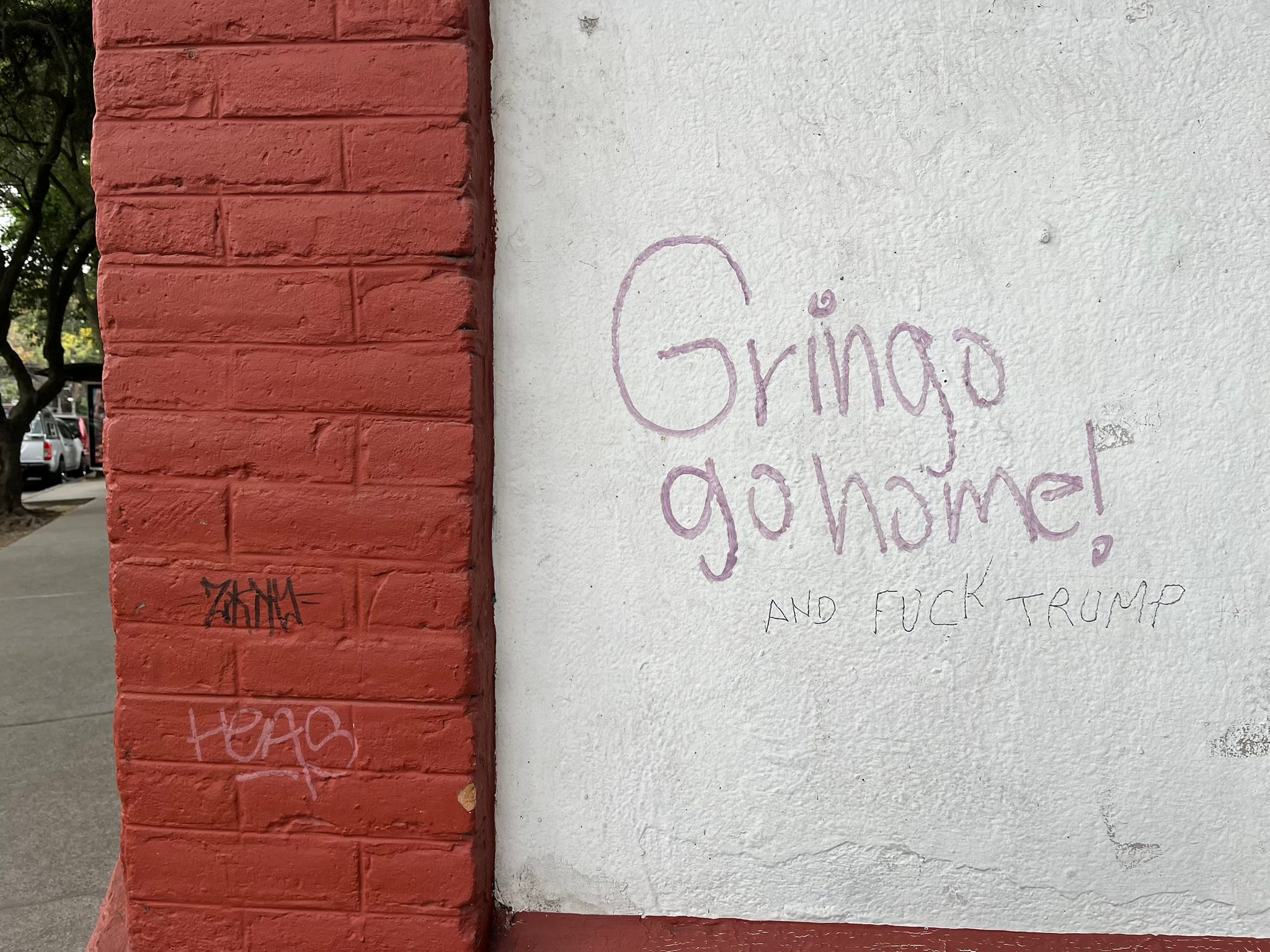
The anti-gentrification protests here – with anarchists throwing rocks into the windows of English-speaking establishments and yelling at people to “go home” – often feel eerily similar to the violent anti-immigrant sentiments in the states.
My cousin lives in a town north of CDMX, and we were talking recently about this push towards glorifying and centering all things Mesoamerican and pre-Columbian. She said it’s great for reclaiming heritage, but it also means that her children are growing up with little to no diversity, which leads to less and less understanding of other people and cultures.
I have heard many African-Mexican friends and Asian-Mexican social media influencers I follow point out the rise in racism along with this hyper-nationalism pride.
Walking down the streets of Condessa, it’s impossible to ignore the way it caters to and centers white tourists from the United States and Europe.
The white supremacy, imperialism, and colonialism root of that is impossible to deny. Even the language we use around “ex-pat” versus “immigrant” is loaded with privilege and access.
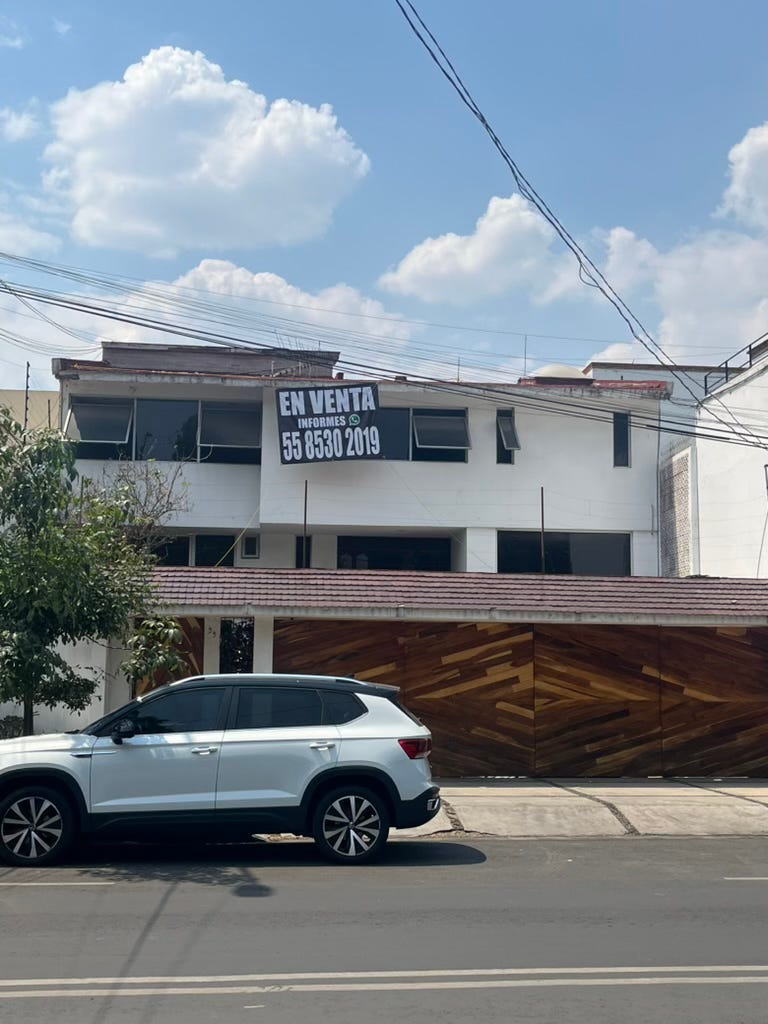
The effects of gentrification – especially the influx of residences being turned into AirBnb’s for tourists and restaurants raising both their prices and expected tip percentages – are stark and felt acutely by every single person I’ve talked with down here.
How do you advocate for the free movement of people, ideas, and cultures across borders while also not aiding in gentrification?
How do we appreciate a culture without appropriating it and changing it to fit our ideals?
I don’t know the answer.
All I can do is keep having the conversation and making decisions with the impact of my privilege in mind.
What are your thoughts and experiences on appreciation versus appropriation, especially in regards to travel?
I’d love to hear from you in the comments.
Traveling is a part of living a boldly creative life for me, and I always hope I can do it in a way that encourages the exchange of ideas of cultures and amplifies the voices I meet.
Because the world needs our stories now more than ever.
With love and a belly full of tacos de suadero,
Lauren
P.S. Some parts of this post are taken from the novel I’m writing while down here. If you liked this, you’ll love the novel even more, so be sure to subscribe to get notices when it comes out.
P.P.S. Enjoy this video I took of the retirees dancing in the park near me this weekend. They welcomed me with open arms and taught me some moves. <3
Sharing Is Caring
Here are some relevant resources that you might find helpful if you liked today’s letter:
Interested in learning more about the effects of gentrification and over tourism on CDMX? Check out The Gringo Tax Solidarity Fund (GTSF), an organization dedicated to creative solidarity, coalition-building, political education, and resource redistribution.
Wondering how I’m able to have both the confidence and resources to travel around the world? The key is creative resilience, and my 33 Asks® program can help you build up your own.
One of the books that helped me learn about the literal streets of Mexico City was The Interior Circuit: A Mexico City Chronicle by Francisco Goldman. It’s a beautiful story about dealing with grief by learning to drive through this complex maze of cobblestone calles, while also exploring organized crime and the dark sides of this massive city. Order it from an independent bookstore here or get it on Kindle here.
Want to learn more about Mexican culture and practice your Spanish? Check out these shows I’ve enjoyed on Netflix:
El Niñero (The Manny) – a family-friendly drama-filled show that bridges rural rancheros and city culture
La Casa de Flores – super LGBTQ friendly and full of hilarious twists and turns, plus one very iconic accent
Club de Cuervos – think Running Point meets Ted Lasso
*Some of these links might be affiliate links, but I only share resources I love, regardless of affiliate status.
Got a Mexican movie, book, or TV show you think I should check out? I’d love to know about it in the comments.
Love this Beloved! I too live in Mexico for over 11 years now and have witnessed the change & gentrification. This is a deep conversation and especially for me as a Black woman abroad 💐🙏🏽